


What to expect on safari during rainy season in Kenya
May 4, 2025
What to expect on safari during rainy season in Kenya
What to expect on safari during rainy season in Kenya. Kenya is hot spot for safaris in Africa and open for tourism any time of the year because the country is not affected so much by harsh weather changes. The rainy season in Kenya is normally expected in March to May but generally the country receives seasonal rains.
Most Popular Safaris
3 Day Serengeti National Park Safari
The climate of Kenya is warm and humid at the coastal areas, cool and humid in central highlands, hot and dry in the northern and Eastern part of the country, the varied temperatures around the country are attributed to altitude. On top of mountain Kenya there is permanent snow cap. The hottest areas of Kenya are the arid north, east and west of Lake Turkana where temperature may rise beyond 34 degrees centigrade.
During the rainy seasons, some of the activities to do on a Kenya Safari include Game drives, beach activities, visit to the local communities, birding in Kenya, walking safaris and others. Note that when the rain intensifies some safari activities in Kenya may remain at stand still such as climbing mountain Kenya.
What to expect on Kenya safaris in the rain season according to destination
Kenya National Parks
Masai Mara National Park
No matter when you visit Masa Mara National Reserve expect to see some animals even in the wet season. The rainy season which is normally March to May is nourishes the grass in the plain lands in the park so it rejuvenates and gets taller. This is a hiding place for most animals especially those with infants. Even the fierce predators with infants find the tall grass a comfortable spot to hide their babies in Masai Mara National Reserve.
Driving on the tracks of Masai Mara National Reserve in the rainy season is quite tough because the soil gets soft and chances of getting stuck in the mad during the rainy seasons are possible. It is best to use a terrain resistant vehicle which is a 4x4 wheel driver for the safari in Masai Mara for any season.
Even though animals spotting may be minimal in Masai Mara during the wet season, some of the animals you may spot in the park include Rhinos, leopards, waterbucks, bushbucks, gazelles, impalas, wildebeests, herds of buffaloes, elephants, cheetahs and others. A wide range of birds also may be spotted in the park in the rainy season as they collect material to build there nests.
The great wildebeest migration doesn’t normally reach the Masai Mara National Reserve in the wet season.
Nairobi National Park
Nairobi National Park is the closest National Park to Nairobi the capital city of Kenya situated in a distance of about 7 kilometers. During the wet season that is expected from December to February and March to May, there are normally fewer wild animal sightings in the park other than the permanent residents the Rhinos. Most of the animals that are known to be residents of this park live in it seasonally.
The wild animals that normally live in Nairobi National Park cross via the Kitengela migration corridor and South Kapiti plains. Then in the wet season, the grass in the park is normally tall and there is poor visibility of these animals. For those who enjoy the look of lush green surroundings, a visit to Nairobi National Park in the wet season may provide that stunning view away from the noise of the city.
Amboseli National Park
Visiting Amboseli National Park in the wet season is great because you get to enjoy the luxurious green cover that is rare in the dry season under the scotching sun. The view of Mountain Kilimanjaro the single all year around iced mountain block is fairly clear in the wet season especially during a heavy down pour.
The ground on the tracks in Amboseli National Park is quite slippery and so to explore the park you need a 4x4 wheel drive vehicle that is terrain resistant.
Some of the animals you may expect to see in Amboseli National Park including Wildebeest, lions, leopards, waterbucks, Zebras, elephants and others
The two never drying up water sources in Amboseli National Park normally flood the areas around them especially during the heavy rainy seasons.
Meru National Park
The Meru National Park is bisected by about 13 rivers some include River Murera, Ura and a number mountain fed steams and during the wet season, the water volume may increase flooding the entire area. The vegetation in the park rejuvenates in the wet season creating beautiful sceneries from woodlands at 3000 feet situated on Nyambeni Mountains, a number of meandering rivers banks may be flooded and these have doum palms.
Expect to spot herds of Elephants in Meru National. The poacher in the past had launch attacks on the elephants of Meru National Park wanting to collect tusks but the Kenya Wildlife Society increased the number of ranger guides who routinely patrol the pack for any traces of such bandits.
Meru National Park has one of the largest bird populations in Kenya with more than 300 bird species identified as residents of this park. Most of the Kenya birding adventure in Meru National are best rewarding at the beginning of the wet season. Some of the birds of Meru National Park Peter’s Fin foot that are common residents of River Murera and Ura.
Lake Nakuru National Park
Lake Nakuru National Park is the lesser flamingoes haven and when you take a Kenya birding safari around lake Nakuru, you may get the chance to see multitudes of these flamingos on the shores that create a pink effect. Do not be surprised to encounter more ornithologists, wildlife film makers, researchers and others on safari.
Other than the birds, when you take a game drive in Lake Nakuru National Park, you may spot animals including dik dik, impalas, elands, Chandler reedbucks, klipspringer, white and black Rhinos and others. The grass and other vegetation around the park tends to thicken in the wet season so spotting the wild animals when on safari may be quite challenging.
Tsavo East and West National Parks
Being one of the oldest Kenya National Parks Tsavo has some of the scenic spots. During the wet season, the grass around the park becomes thicker and greener. Tsavo East and west National Parks is one of the biosphere reserves in the world with bushy grasslands, semiarid acacia scrubs, woodlands, open Savannah
Tsavo East and West National Parks has a great environment and a good location for taking photographs because of its stunning light and breath taking views of Mudanda rock and Yatta plateaus which is the largest lava flow in the world. In case you plan to use this area as a location for filming or photography, donot forget to carry rainproof gears for yourself and your gadgets.
Shimba Hills National Reserve
Shimba Hill National Reserve has two of Kenya’s orchids. The reserve has stunning green cover which are botanically rich coastal rain forests. Those intending to make peace with nature while on Kenya safari may grab the opportuinity to visit this park
While in Shimba Hill National Park, you may visit the flat grassland where you may get the chance to also see the Sheldrick’s Falls. During the wet season expect to see an increase in the flow of the water at this point and a high water volume. Some Wild animals that are residents of Shimba Hill National Park may also be spotted at the Lango plains near the Giriana point.
Activities At The Coastal Areas Of Kenya in the Wet Season
Kisite Marine Nation Park
At the coastal areas of Kenya and the Indian Ocean there is the Kisite Marine National Park. This Park has some of the most beautiful and colorful coral reefs in the world. During the severe rainy seasons the water volume of the Indian ocean may increase and flood part of the coast covering some of the corals.
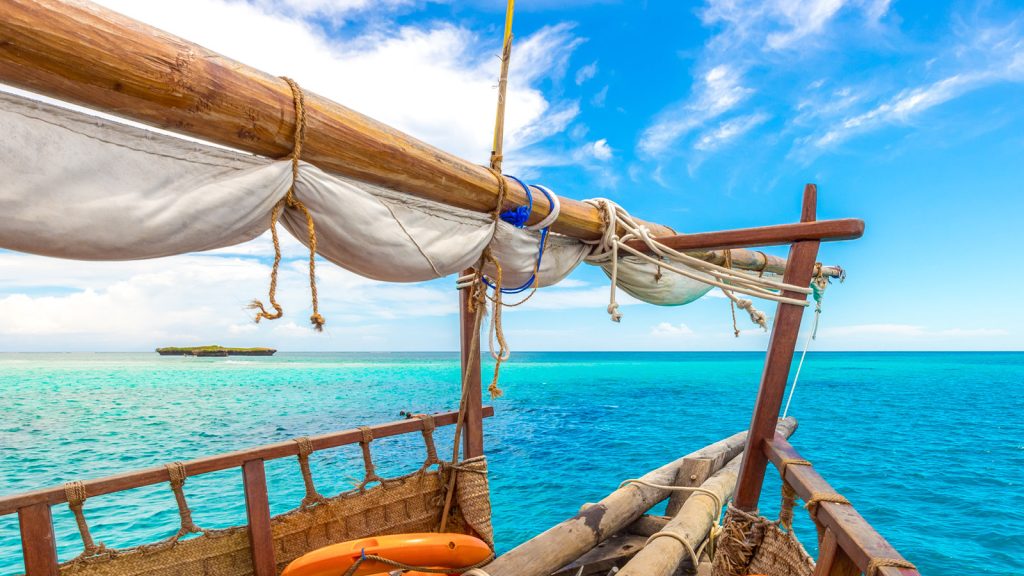
Normally these stunning coral reefs stand out above the shallow water forming coral gardens and to explore the entire coral garden, you have to use a motorboat or dhow from Shimon.
The scientific significance of the coral reefs at Kisite and Mpunguti Marine National Reserve makes them unique. More than 45 varieties of Coral reefs have been identified in this area.
Beach activities on Safari in Kenya
Even during the rainy season in Kenya, beach holidays are still open even though they are limited. Some of the beach simple beach activities to do on Kenya include boat cruise when the ocean is not rough and the boat must be covered well, a sandy beach walks, scenic viewing and others. On a clear day, one may do a destination event by the beach but consider having shelter as option in case showers appear.
Cultural tour on Kenya safari
A visit to the Masai community in Kenya during the wet season gives you chance to witness firsthand the activities they do during the wet season. The Masai are some of people in Kenya that are stuck with there traditional cultures even with the influence of modernization. The Masai are cattle keeper as the cow is even more important in the affairs of their lives
While on a Masai homestead visit ( Manyatta), you may get the chance to try milking a cow, may try blood extracting and much more. The Masai have great crafts making skills and so you may have the chance to witness how the design the beads to produce different ornaments. You may have a chance to participate in the traditional dance moves of the Masai that include jumping.
Walking Safaris In Kenya
Even though the walking safaris during a Kenya Safari may be limited because of weather, you may get the chance to see wild life in the National Parks in different way, Every walking safari in Kenya must be conducted by a ranger guide with some protective gears in case need arises.
When you hope to embark on a walk safari in the wet season, request for verification from the right authorities on the park.
Balloon safaris in Kenya
Although rarely done in the rainy season because of the effects of the change in weather, you may try your luck with the Balloon safari. It is an opportunity to view wildlife in the park from a more elevated point. You need to book the balloon safari in Kenya in advance but weather forecast determine whether to go on with the adventure or wait until the skies clear.
What to Pack For A safari in Kenya during the rainy Seasons
- Safari shoes especially if you have to walk as the ground is sometimes very hot and also your feet need to be protected from the rough surfaces in the wilderness.
- Insect repellant to keep away biting insects that may cross your way like tsetse flies
- Safari hat or cap to protect your head from the dust and buzzing insects
- Sun glasses to protectn your eyes from buzzing insects.
- Some warmers because most safari destinations in Kenya experience cold conditions early morning and late afternoon.
- Safari wear in colors that are wilderness friendly in colors like khaki, tan and others. Try not to use colors that can attract stinging insects like blue, black and white.
- Extra batteries fully charged to exchange with in case you one runs low.
- Duffel bag so that you can carry your belongings in case you have to help yourself.
- Some cash to use for on ground purchases as credit cards are no easy to use in Africa because of the lengthy process of collecting money from them.
- Snacks to munch on when you are on safari in case you get hungry.
- A camera to keep memorable moment while on safari in Kenya there many moments that happen
- In case you have to do some water safari activities in Kenya do not forget some protective gears including swimming glasses
- Flip flops to use in your free time when away from the muddy game parks.
- Energy bites and snacks to eat during the drives because breakfast is taken too early to last the entire time in the wilderness.
For more information, please get intouch with our team.



EARLY BIRD SAFARI DISCOUNTS FOR 2026-27
Take a budget gorilla trip into Uganda’s Bwindi Impenetrable Forest to trek mountain gorillas and stay in low-cost camps and gorilla lodges.
Responsible Travel Uganda
We care about the communities and environment we take our travellers to. Sustainable travel will keep us in business, so we have a responsible travel policy. Take a look!.
Latest Blog Stories
Related Travel News
Follow our community blog and keep up-to-date with travel news that will help you plan your safari trip
Safari Inquiries
Our Safari consultants are ready to answer all your questions. Kindly fill out the form below, and we will respond to you as soon as possible
CUSTOMER REVIEWS
Read the real stories and experiences shared by fellow travellers who've travelled with Encounter Africa Safaris.


These reviews provide authentic, firsthand insights, offering a true glimpse into what you can expect from the experience
Safari Inquiries
Our Safari consultants are ready to answer all your questions. Kindly fill out the form below, and we will respond to you as soon as possible