


How safe is gorilla habituation experience in Bwindi now.
November 5, 2024
How safe is gorilla habituation experience in Bwindi now.
The gorilla habituation experience in Bwindi impenetrable national park is considered safe, with rigorous measures in place to protect both the visitors and the endangered mountain gorillas. The Uganda Wildlife Authority (UWA) and the experienced guides ensure a secure and responsible safari experience. Prior to trekking, visitors undergo briefing and orientation, emphasizing safety protocols and gorilla behavior.
Most Popular Safaris
8 day Uganda safari via Kigali
5 days gorillas and chimp safari
16 day primate game and culture
11 days gorilla tracking safari
5 days gorilla and Nile river source
17 day Uganda birding and wildlife
Guides lead the treks, maintain a safe distance (7 to 10 meters) from the gorillas and monitor their behavior. Visitors are screened for illnesses, and masks are worn to prevent transmission. The habituation process, led by trained researchers and conservationists, gradually accustoms gorillas to human presence, minimizing stress. Park rangers and security personnel provide 24/7 protection, with armed escorts accompanying treks. Despite remote locations, emergency responsible plans and communication networks are established.
However, as with any wildlife encounter, risks exist, including potential gorilla aggression or disease transmission. To mitigate these, UWA enforces strict regulations, including limited visitor numbers, permissible viewing times, and mandatory vaccinations. Overall, the gorilla habituation experience in Bwindi Impenetrable Forest National Park is well-managed, ensuring a safe and unforgettable encounter with these wonderful creatures, while supporting conservation efforts.
Ensuring safety during the gorilla habituation experience in Bwindi Impenetrable National Park is crucial to protect both humans and animals. The primary concern is preventing the transmission of diseases such as Ebola, SARS, and respiratory illnesses, which can decimate gorilla populations. Human safety is also paramount, as gorillas, despite habituation, are the wild animals capable of unpredictable behavior.
Additionally, the remote location and dense forest terrain pose risks, including slippery paths, steep slopes and potential encounters with other wildlife. To mitigate these risks, safety measures are implemented to safeguard visitors, guides and gorillas. These measures include pre-trek briefings, experienced guides, and the armed escorts, as well as the strict regulations on visitor numbers, viewing times, and the distance from the gorillas.
Furthermore, emergency response plans, communication networks, and the medical support are established. By prioritizing safety, the Uganda Wildlife Authority and conservation partners protect the well-being of both the humans and the gorillas, ensuring a responsible and the sustainable tourism experience that supports conservation efforts and promotes the conservation of these endangered creatures. This careful approach has contributed to Bwindi’s reputation as a safe and world-class destination for the gorilla habituation.
The safety measures for the gorilla habituation in Bwindi impenetrable forest national park are set and enforced by a collaborative effort between various stakeholders. The Uganda Wildlife Authority (UWA) the primary conservation agency, plays a lead role in establishing and implementing the safety protocols. The International Gorilla Conservation Programme (IGCP) a joint initiative of the UWA, World Wildlife Fund (WWF) and the International Union for Conservation of Nature (IUCN) provides a technical guidance and support.
Additionally, the Uganda Ministry of Tourism, Wildlife and Antiquities, and the local authorities contribute to the development of safety regulations. Expert input from the conservationists, researchers, and veterinarians informs the safety protocols, ensuring they are grounded in scientific knowledge ad best practices. The World Health Organization (WHO) and Centers for Disease Control and Prevention (CDC) also provide guidance on disease prevention and control measures.
Local communities and tour operators like Encounter Africa Safaris are also engaged in the process, ensuring that safety measures are practical and effective. This multi-stakeholder approach ensures that safety measures are comprehensive, effective and regularly reviewed and updated to protect both the humans and the gorillas.
Bwindi Impenetrable Forest National Park.
Bwindi Impenetrable Forest National Park is located in southwestern Uganda, is a UNESCO World Heritage Site and one of Africa’s most biologically diverse ecosystems. Spanning about 331 square kilometers, the park is nested in the Albertine Rift, with a rugged landscape of steep hills, valleys and drizzle-covered mountains. Bwindi’s ancient rainforest, estimated to be over 25000 years old, is characterized by dense vegetation, tangled vines, and towering trees, including hardwoods, ferns and bamboo.
The park is a home to approximately 468 endangered mountain gorillas, divided into the habituated groups for trekking and research. Beyond gorillas, Bwindi is home of over 1000 species, including the 120 mammals (elephants, monkeys, and among others), over 350 bird species, 300 butterflies and about 200 tree species. The forest’s unique geography and climate support the incredible variety of flora and fauna with many endemic and rare species. Local communities, including the Batwa pygmies, have coexisted with the forest for centuries. Bwindi’s diverse ecosystems and habitats make it an ecological treasure, supporting sustainable tourism, research and conservation efforts that protect the park’s delicate balance and ensure its preservation for future generations.
How gorilla habituation is different from gorilla trekking.
Gorilla habituation safari and gorilla trekking safari in Bwindi Impenetrable Forest National offer distinct experiences, catering to different interests and preferences. The primary difference lies in the purpose and duration of the encounter. Gorilla trekking involves hiking to locate and observe habituated gorilla groups for a limited time (typically one hour), focusing on viewing these wonderful creatures in their natural habitat. In contrast, gorilla habituation involves participating in the process of acclimating wild gorillas to human presence, spending up to 4 hours with the mountain gorillas, and witnessing their daily activities, social interactions, and behavioral patterns. Habituation allows for a more immersive and intimate safari experience, providing insights into the gorilla behavior, habitat, and conservation.
Also habituation has stricter regulations, including fewer visitors (4 per day), masks to prevent disease transmission, and a minimum age requirement (15 years). Trekking on the other hand, permits up to 8 visitors per group. The cost also differs significantly, with the habituation permits costing 1500 USD per person per trek and compared to the gorilla trekking permit which is 800 USD per person per trek. Overall, gorilla habituation offers a unique, in-depth safari experience for those interested in the conservation, research, and extensive gorilla interaction, while gorilla trekking provides a more general, yet still thrilling, encounter with these wonderful mountain gorillas.
Gorilla habituation experience in Bwindi impenetrable forest national park.
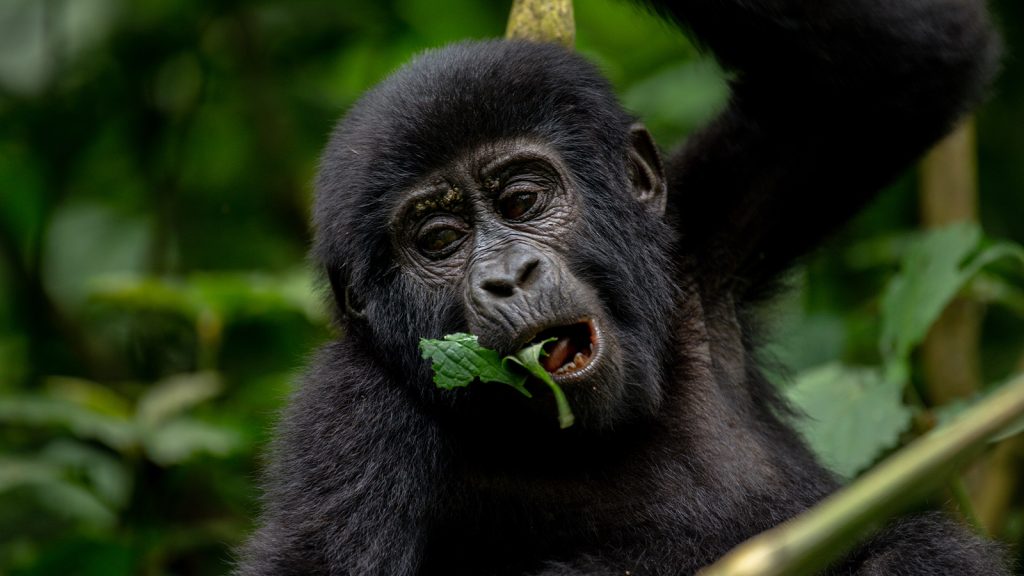
The gorilla habituation experience in Bwindi Impenetrable Forest National Park offers the immersive and fascinating encounter with the endangered mountain gorillas. The safari activity starts with a briefing about the rules and regulations to follow during the gorilla habituation. This unique experience allows visitors to witness the habituation process, where the wild gorillas gradually become used to the human presence.
Gorilla habituation safari can be led by experienced by researchers and guides with small groups of visitors of about four people, followed by a trek through the dense forest, navigating steep slopes and rugged terrain, upon locating the gorillas and the visitors will spend four hours in the presence of the gorillas. That’s when you will observe and learn about their behavior, social interactions and the habitat. Unlike traditional trekking, gorilla habituation permits visitors to witness the gorillas’ daily lives, from foraging and feeding to playing and resting.
The gorilla habituation process typically takes 2 to 3 years and the visitors play a critical role in supporting conservation efforts and research initiatives. This unforgettable safari experience provides a deeper understanding of the gorilla behavior, conservation and the importance of protecting these wonderful creatures and their habitat.
Gorilla habituation permits in Bwindi impenetrable forest national park.
Gorilla habituation permits in Bwindi Impenetrable Forest National Park are specialized permits that allow visitors to participate in the habituation process of the endangered mountain gorillas, issued by the Uganda Wildlife Authority (UWA), these permits grant you access to only one sector which is Rushaga to do the gorilla habituation in Bwindi Impenetrable forest national park.
Each gorilla habitation permit is 1500 USD per person per trek for non-foreign residents, 1000 USD per person for the foreign residents and 750,000 UGX per person per trek for East African Citizens due to the exclusive and immersive nature of the safari experience. Only four visitors per day can participate in the gorilla habituation, ensuring minimal disturbance to the gorillas. Permits include guided tours, park entrance fees, and contributions to conserve efforts. Habituation permits are non-refundable, non-transferable and require advance booking (up to 2 years).
Visitors must be at least 15 years, physically fit, and free from any contagious illnesses. The revenue generated from permit sales supports gorilla conservation, research and community development projects, ensuring the long-term protection of the Bwindi’s gorilla population and their habitat. By purchasing a habituation permit, visitors contribute directly to the preservation of these incredible species.
What to pack during gorilla habituation in Bwindi Impenetrable forest national park.
When preparing for the gorilla habituation in Bwindi impenetrable forest national park, packing strategically is crucial. Bring sturdy, waterproof hiking boots, waterproof jackets or ponchos, and breathable clothing (moisture-wicking fabrics) to navigate the dense, damp forest. Comfortable, neutral-colored clothing (khaki, green) as helps blend in with the surroundings. Include layers for the temperature fluctuations (15 to 200 C), gardening gloves for protection from the thorns, and a hat to shield from the sun.
Essential items include waterproof backpacks, dry bags and rain covers to safeguard gear. Don’t forget insect repellent, sunscreen, sunglasses and a first-aid kit. Binoculars and cameras with telephoto lenses capture unforgettable safari moments. Power banks, portable chargers and universal power adapters keep devices charged. Personal documents (passports, visas, travel insurance) vaccinations, and malaria prophylaxis ensure health and safety. Pack snacks, water bottles and reusable bags to minimize waste.
Luxury lodges may require stylish attire for dinner, cultural sensitivity dictates modest clothing for the village visits. Lastly bring cash for the tips, souvenirs, and additional experiences. Check with Encounter Africa Safaris for the specific gear recommendations and the restrictions to ensure a smooth and enjoyable habituation safari experience.
Best time to do gorilla habituation in Bwindi impenetrable forest national park.
The best time to do gorilla habituation in Bwindi Impenetrable Forest National Park is during the dry seasons, which typically occur from June to October and December to February. These periods offer the best conditions for trekking and observing gorillas, with the less rainfall and clearer skies, making the dense forest terrain more navigable. The dry seasons also increase the likelihood of spotting gorillas, as they tend to move to the lower elevations in search of food. Additionally, the cooler temperatures (15 to 200C) and lower humidity make the habituation experience more comfortable for the visitors, however, it’s essential to note that Bwindi’s climate is unpredictable and unexpected rain showers can occur.
The shoulder season (April to May or September to November) offer fewer crowds and lower prices, but may require more flexibility due to occasional rain. Avoid the peak rainy seasons during (March to May and November to December) as the trails become slippery, and gorilla movements become more unpredictable. Ultimately, the best time for gorilla habituation in Bwindi depends on personal preferences regarding weather, crowd levels, and budget, but the dry seasons provide the most favorable conditions for this unforgettable safari experience.
Where to stay during gorilla habituation in Bwindi Impenetrable Forest National Park.
During gorilla habituation in Bwindi impenetrable forest national park, various accommodations cater to different budgets and preferences to the visitors. And these accommodations are categorized into differently that’s is budget, mid-range and luxury accommodations, for example Clouds Mountain Gorilla Lodge, Bwindi Lodge, Mahogany Springs Lodge, Gorilla Forest Camp, Ichumbi Gorilla Lodge, Buhoma Community Rest Camp, Nkuringo Bwindi Gorilla Lodge, Ruhija Community Rest Camp, and among many others while offering basic amenities and the authentic local experiences. Consider staying near the habituation site that is Rushaga sector, that proximity reduces travel time and allows for the early morning starts. Book accommodations in advance especially during the peak seasons (June to October and December to February).
Ensure your lodge or camp adheres to eco-tourism and sustainable practices, supporting local communities and conservation efforts. Check with Encounter Africa Safaris for recommendations and package deals that include accommodation, habituation permits, and guided tours for a seamless safari experience.
Contact us for more information and please check out our trip advisor to see what our clients have to say.



EARLY BIRD SAFARI DISCOUNTS FOR 2026-27
Take a budget gorilla trip into Uganda’s Bwindi Impenetrable Forest to trek mountain gorillas and stay in low-cost camps and gorilla lodges.
Responsible Travel Uganda
We care about the communities and environment we take our travellers to. Sustainable travel will keep us in business, so we have a responsible travel policy. Take a look!.
Latest Blog Stories
Related Travel News
Follow our community blog and keep up-to-date with travel news that will help you plan your safari trip
Safari Inquiries
Our Safari consultants are ready to answer all your questions. Kindly fill out the form below, and we will respond to you as soon as possible
CUSTOMER REVIEWS
Read the real stories and experiences shared by fellow travellers who've travelled with Encounter Africa Safaris.


These reviews provide authentic, firsthand insights, offering a true glimpse into what you can expect from the experience
Safari Inquiries
Our Safari consultants are ready to answer all your questions. Kindly fill out the form below, and we will respond to you as soon as possible