


What to pack for a safari in Kenya
September 14, 2024
What to pack for a safari in Kenya
Many tourists traveling to Kenya always inquire about what to pack for a safari in Kenya, the essentials needed and what not to bring for the safari. The main question is what you really need for your safari and this usually is determined by the different safari activities on your itinerary. Most bush plane flights have a baggage weight limit of 15-20kg and you need to learn how to limit the luggage with all the essentials needed available. We are going to look at the essential list for a Kenya safari.
Most Popular Safaris
5 Day Gorilla Habituation & Chimps
5 Days Gorillas & Nile River Source
14 Day Uganda Safari via Kigali
3 Day Serengeti National Park Safari
5 Day Rwanda Gorillas & Culture
It is safe to note that the luggage bags get thrown in and out of the 4x4 safari jeeps and even on the bush aircraft so you need to bring durable and squashable duffel bags that have solid wheels to speed and ease on your travelling. The most important thing about packing for a safari in Kenya is if you are comfortable due to the constant weather changes depending on the season of travel.
Kenya is divided by the equator and mostly has a tropical climate that includes regional variance. There are two seasons: the wet and dry season with each having their unique and charming conditions. Depending on when you decide to visit the country, the weather usually determines what to wear and what to bring on your safari. Regardless of when you need to visit the country, you will still have a great time as long as you are comfortable with what to wear.
The dry season is from June to October and January to February and this is considered to be the best time for a safari. However, note that the dry season is a peak season as well and the cost of the safari will be high and expect to see large crowds of tourists. The rainy/low season is from March to May and November to December and the best time to go for tourists travelling on a budget and those who do not love crowds.
When packing for a Kenya or any other safari, many tourists do not know what to bring and what to leave at home and this has become a dilemma for many. In this article, we are going to look at the different items that are essential for your safari. There are so many things to consider when it comes to packing for a safari to Kenya and these include:
Luggage
Unless if you are having a luxury safari to Kenya with no limitations or restrictions to the luggage, it is better if you bring luggage that works best on bush planes and these have a limitation of 10-15kgs, fit in an open 4x4 safari vehicle and bush camps. All in all, avoid hard case trolleys when coming to Kenya for your safari. When it comes to luggage, we recommend that you bring the following.
- A duffel bag that can easily be carried throughout your safari and it shouldn’t be more than 15kgs
- A small waterproof camera bag to carry all your gadgets
- A day waterproof backpack that is used to carry your day-to-day safari items because you will not be able to carry your duffel bag on your safari days.
Your luggage should only include essential things and when packing, make sure that you don’t carry any illegal items including drugs among others. And when you pack, leave some space for the souvenirs to take back home.
Clothes
The most ideal clothes to pack for your safari should be loose fitting, lightweight to keep cool and dry and in neutral colours. Bright colours are not recommended, the colour blue is also associated with attracting tsetse flies and therefore should be avoided at all costs. The recommended colours include green, brown and nude colours among others to easily blend in with the environment and not attract the attention of the wildlife. Note that camouflage clothes are not recommended because they are associated with the army and are considered unlawful in Kenya.
The waterproof hike boots should be well-fitting, and lightweight. Do not forget the flip-flops because you will need them after a day’s activities. When packing clothes, note that many of the camps, hotels and lodges offer laundry services although some of these laundry services come at a fee and that’s why tourists are advised to carry few but essential clothes.
Some of the clothes that are recommended for a Kenya safari for men and women include the following:
- A lightweight jacket for use when it gets cold
- Water resistant jacket. The weather in Kenya changes from time to time and you need to keep dry during your safari activities.
- A pullover
- Moisture wicking tops/shirts
- Light weight safari pants
- water resistant hike pants
- moisture wicking boxers
- A scarf
- Cargo pants. These pants should be waterproof and help with the storage of a few items like candy bars and energy bars.
- Long-sleeved linen shirts. Two pairs of long-sleeved shirts are recommended to reduce the luggage. They not only keep you warm during the cold mornings and evenings, but they also protect your arms from the sun and insect bites.
- leggings for women
- 2 pairs of short sleeve shirts
- Sunglasses also protect your eyes from dust and sun rays.
- Socks. Three pairs of socks are recommended you can however still carry more especially if you are planning on spending more days on your safari.
- A wide-brimmed hat. The wide-brimmed hat is for protection from the sun.
- A pair of waterproof hike boots
- Running shoes and flip-flops
- Sufficient underwear will take you through the safari because many of the laundry services offered at the lodges and camps need extra pay.
- Swimsuit because some camps have swimming pools that you can enjoy.
- pyjamas
- Gardening gloves. For tourists planning on going mountain climbing and hiking in Kenya, the garden gloves are essential to avoid blisters on your hands during the hike.
Toiletries
Toiletries usually depend on what you need for the safari although you might not need lots of makeup during the safari. Below is a list of things we believe should be included in your toiletries.
- Toothbrushes
- Toothpaste
- Sunscreen
- Deodorant
- sanitary towels or tampons for ladies
- Face cleanser
- Shampoo
- Biodegradable toilet paper
- Clean underwear
- Body lotion, conditioner and shower gel
- Towels
- Electrolyte sachets
- Lip balm
- Moisturiser
It is safe to note that most of the accommodation facilities in Kenya provide toiletries like soap, shampoos and towels among others. You can still however carry personal toiletries that you are comfortable with.
Camera and equipment
A safari is incomplete without a camera because this is the only way to keep your safari memories. There are several types of cameras you can use or bring for your Kenya safari and below is a list of the best cameras you can use on your safari in Kenya. Cameras are an important aspect when it comes to safaris and if you do not own a camera, there are several shops around Kenya that rent out cameras at an affordable cost.
- Nikon Z8
- NIKKOR Z 24-70mm 2.8 lens
- Nikon Z6II
- A 1X battery pack
- Mobile phone
- charger cables
- Extra memory cards
- Power adapter
- A 1X multi-power strip
- Extra camera batteries
- Laptop
First aid kit
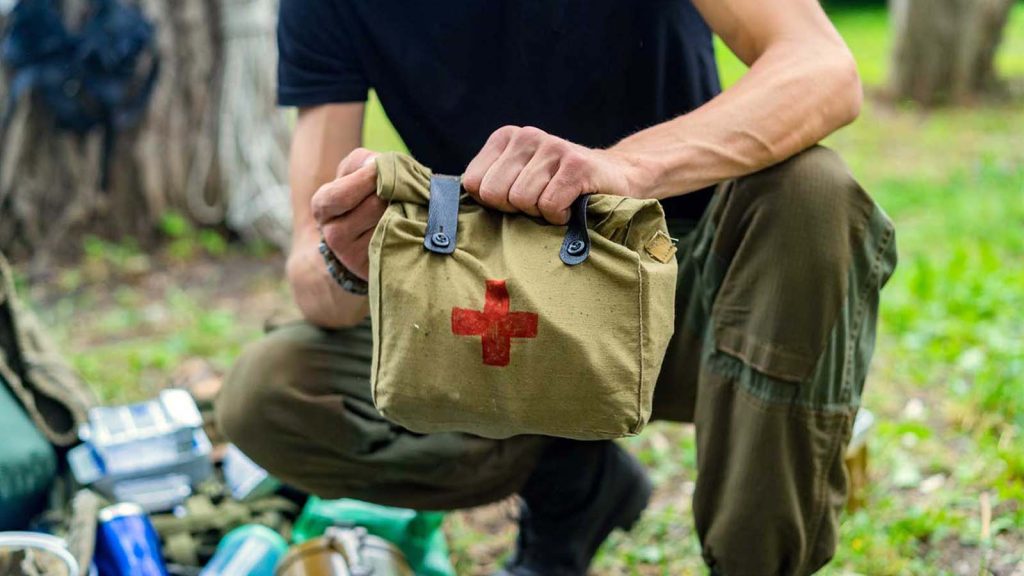
Although camps and lodges provide first aid kits, it is advisable that you carry a personal first aid kit. Note that we are not medical experts but some of the things that should be in your first aid kit include the following.
- Gauze bandages
- Malaria medication
- Ibuprofen
- A clinical thermometer
- Wound disinfection
- Disinfectant spray
- Band aids
- Insect repellent
- Tissues
- Blister pads
- Flu medicine
- Paracetamol
Note that you are going to be exploring the bush/wild while on your safari and the nearest pharmacy or hospital can be hours away. Be sure that you pack all the essential personal medicine that is prescribed by your doctor and all medicines that you might not think will be available in Kenya. Pharmacies in Kenya stock a wide variety of medicines and you can purchase some before you officially start your safari.
Miscellaneous items: Kenya packing list
If you do not have the proper documents, you will not have access to Kenya and might find it hard at the immigration office. Safaris are a good way to relax and you do not want to mess it up with having the wrong documents for travel. The most important documents needed to travel to Kenya include the following:
- Passport
- Visa
- Identity document
- Lodge contact numbers
- Emergency contact numbers
- Travel Insurance papers
- Medical certificates
- A traveller Health insurance form
- Guide book and maps
- COVID 19 test results.
- There are a few items that are essential for any safari trip in Kenya and these include:
- Credit card, insurance card and debit card
- US dollars since they are accepted in every country. The only dollars accepted will be the ones that are in good condition to be able to exchange for the local currency
- Vaccination cards.
- Visa card
What to bring and what not to bring
Many African countries have implemented rules when it comes to the use of plastic bags and Kenya is no exception. This is because of the dangers that are caused by the non-biodegradable materials that affect not only the people and landscape but also the wildlife. The law was passed in 2020 by former president Uhuru Kenyatta and ever since the law was passed, no plastics are allowed in the protected areas of Kenya. So when packing for your safari to Kenya, make sure that the luggage packed does not include any potential items that might harm the environment because they have been banned especially single-use plastics. Some of the plastics that have been banned include:
- Grocery bags
- duty free bags
- Zip lock bags
- straws
- Garbage bags
- plastic cutlery
- Styrofoam take away containers
- Plastic bread bag tags
- Plastic water bottles.
Binoculars: Although these are not said to be necessary, sometimes you do not have to bring them to reduce the luggage to be carried. You can use the viewfinder of your camera that has a tele-zoom lens and there are camps that also provide binoculars especially when going for bird watching. If you are not travelling with a camera, then we advise that you carry a pair of binoculars with you because some of the animals can only be spotted from a distance.
A headlamp: headlamps are not necessary unless you are hiking on a mountain at night. Camps normally provide flashlights and headlamps for use at night when going to the toilet although there are some people who prefer using headlamps. There are team members who are readily available with a flashlight or you can as well use your phone for light.
Reusable water bottle: Just in case you need to have a personal water bottle, you can bring one but most camps provide complementary water bottles throughout your stay and safari.
Gaiters: Adjustable gaiters are not necessary as you might use them only once and sometimes it is not necessary.
Kenya is a diverse country with many safari destinations to visit throughout the year. Some of the top safari destinations in the country include Tsavo West National Park, Tsavo East National Park, Aberdare National Park, Nairobi National Park, Amboseli National Park, Coastal beaches in Kenya, Mountains, Masai Mara Nature Reserve, Meru National Park and Samburu National park among others. There are also several safari activities that determine what to bring and what not to bring on your safari and these include guided nature walks, game drives, bird watching, guided cultural trips, and hot air balloon rides among others. Samburu National Park is an all year round safari destination but the best time is during the dry /peak season.
Get in touch with us to help you plan your safari to Kenya and if you have any more questions about what to pack for the safari, our staff is available to answer any questions that you might have. Pack right and light without any extra weight to be able to enjoy your safari in Kenya.



EARLY BIRD SAFARI DISCOUNTS FOR 2026-27
Take a budget gorilla trip into Uganda’s Bwindi Impenetrable Forest to trek mountain gorillas and stay in low-cost camps and gorilla lodges.
Responsible Travel Uganda
We care about the communities and environment we take our travellers to. Sustainable travel will keep us in business, so we have a responsible travel policy. Take a look!.
Latest Blog Stories
Related Travel News
Follow our community blog and keep up-to-date with travel news that will help you plan your safari trip
Safari Inquiries
Our Safari consultants are ready to answer all your questions. Kindly fill out the form below, and we will respond to you as soon as possible
CUSTOMER REVIEWS
Read the real stories and experiences shared by fellow travellers who've travelled with Encounter Africa Safaris.


These reviews provide authentic, firsthand insights, offering a true glimpse into what you can expect from the experience
Safari Inquiries
Our Safari consultants are ready to answer all your questions. Kindly fill out the form below, and we will respond to you as soon as possible