


When is the best time to go to Masai Mara for safaris?
October 31, 2024
When is the best time to go to Masai Mara for safaris?
The best time to go to Masai Mara for safaris is the dry season from June to October; however, there are factors that determine the best time to visit and these include the budget and the different safari activities you intend on participating in. Located along the border of Kenya and Tanzania, Masai Mara has two seasons and these are the rainy and dry seasons. Masai Mara has two dry seasons, the short dry season from January to February and the long dry season from June to October. It also experiences two wet seasons, the short rainy season from mid-October to November and the long rainy season from March to May.
Most Popular Safaris
3 Day Serengeti National Park Safari
Factors affecting the best time to go to Masai Mara for a safari
The main factors that determine the best time to visit Masai Mara National Reserve include the following:
Your travel budget: The budget that you have will determine the best time to visit Masai Mara because the different seasons have different costs. The dry season is a peak season which is characterized by large crowds and these in the end lead to an increase in the cost of the services that are provided on a safari including transport, accommodation and meals. Locals providing these different services always increase the cost of the services to maximize profits since the low season does not offer the same deals. Tourists traveling during this period are advised to book and plan to get better services and amenities.
Safari activities: Each of the two seasons of travel has different activities that are carried out and the ones that you are interested in will determine when you are to travel to Masai Mara. The main activity carried out in Masai Mara is wildlife viewing however other activities are offered at the National Reserve some of which include hot air balloon rides, birding, wildebeest migration and cultural trips among others. We are going to be discussing the different activities that are carried out during each season in a bit.
The dry season (June to October)
The dry season is the best time to visit Masai Mara National Reserve because it offers some of the views of wildlife viewing.
The pros of visiting Masai Mara during the dry season include:
- Less rainfall means that the vegetation will be scanty allowing tourists to see the wildlife.
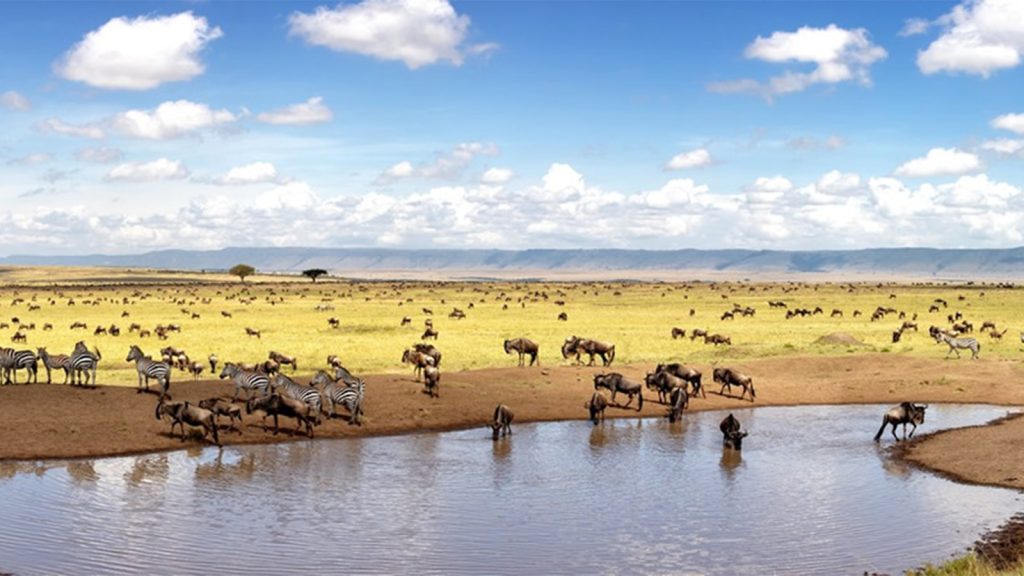
- Wildlife is more concentrated around the water holes during the dry season making it easier to spot the different wildlife species.
- There are fewer mosquitoes which means little to no malaria.
- It is the best time to enjoy the wildebeest migration.
The cons of visiting Masai Mara during the dry season include:
- The Reserve is always crowded during the dry season.
- This is the busiest season of travel making it also the most expensive time for tourists travelling at a budget.
- The evenings and mornings are always cold and expect abrupt rain now and then.
Activities carried out during the dry season
The different activities that are carried out during the dry season in Masai Mara include:
Watching the wildebeest migration: This is the best and most participated activity in Masai Mara National Reserve attracting thousands of tourists annually to witness the largest animal migration in the world. The wildebeests cross the Grumeti and Mara Rivers from Serengeti to Masai Mara and then back and all this is because the animals follow a change in the weather attracted by the fresh pastures in Masai Mara and water and then back to Serengeti for the same reason. The wildebeest migration is best experienced from July to October sometimes pushing to early November depending on the rains. It is a highly participated in activity and tourists are advised to book in advance especially when it comes to accommodation facilities.
Game drives: Masai Mara offers two game drive sessions one in the morning and the second one in the afternoon hours. Game drives usually involve the use of 4x4 safari vehicles taking tourists around the Reserve in search of wildlife. The game drives in Masai Mara are best carried out during the dry season since this is the best time to see the wildlife as it gathers around the different watering holes.
Cultural trips: The Masai People are some of the most visited locals in Kenya and they live close to the Reserve. Their unique culture is an interesting one where once you visit their villages, you will be rewarded with knowledge about their pastoralist life, their unchangeable traditions and norms, buy souvenirs, and participate in their songs and jumping dance among others. Cultural tourism has helped sustain the lives of the locals and increased tourism in Masai Mara National Reserve.
Mobile safaris: Mobile safaris are some of the best ways to explore Masai Mara especially if you are watching the wildebeest migration. The mobile safaris move from one place to the next following the animals and it comes with a comfortable bed and other amenities.
Nature walks: Walking safaris in Masai Mara are carried out with an experienced guide who knows the best places to take safely guided nature walks. The leisurely walks give tourists a chance to get closer to nature, observe the animal behaviors and also spot the smaller animals that might have been missed during a game drive.
Hot air balloon rides: This is one of the most adventurous activities carried out in Masai Mara where tourists get to explore the reserve with an aerial view. The hot air balloon rides start early morning after a light breakfast and all participants meet for a small briefing with the pilot and the guides. The activity can take between one to two hours depending on the weather and once you get to the sky, you will be able to enjoy the beautiful scenery of the Rift Valley, and animals as they hunt this is also a good way of taking photography safaris. After the flight, you are provided with a bush breakfast and champagne to celebrate with the group.
Horse riding: This is one of the best ways for tourists to get closer to the wildlife in Masai Mara. The horse riding is carried out with an experienced and trained armed ranger to protect you because, during the ride, many animals can get close to you with an opportunity to touch their backs.
Get in touch with us for more information.
The wet/low season
The rainy season also known as the green and low season is from March to May and October to November. It is characterized by bouts of rainfall and sunshine due to its proximity to the equator. This is the best season to travel for tourists, who are on a budget, and tourists who wish to avoid crowds.
The pros of visiting Masai Mara during the rainy season include the following:
- There are higher chances of getting the right accommodation facilities during the rainy season because of the low crowds.
- The rainy season has fewer crowds and is budget-friendly.
- This is the best time to go bird watching and photography safaris.
- The rains clear off the dust which is usually experienced in the dry season.
The cons of visiting Masai Mara during the rainy season include the following:
- The rains come with poor road conditions which become slippery and muddy
- Some accommodation facilities close during this period due to fear of floods.
- River flooding their banks, especially in April and May.
- The chilly and cold weather.
Activities carried out in Masai Mara during the rainy season
Just like other safari destinations, there are several activities that are carried out during the rainy season and these include the following:
Bird watching/picnic views: Masai Mara is home to over 450 bird species 45 of which are prey and these are best seen during the rainy season when the migratory join the endemic bird species. Some of the bird species you should expect to see during your visit to Masai Mara include the African Fin foot, Bateleur, Giant kingfisher, Lazy cisticola, ostrich, Ross’s turaco, Abdim’s stork, African wood owl, Jackson’s widowbird, Cinnamon-breasted bunting, secretary bird, Tabora cisticola, Swahili sparrow, silver bird, yellow-throated sand grouse, Usambiro barbet and Trilling Cisticola among others.
Photography safaris: Due to the rains experienced in Masai Mara, there is more greenery as compared to the dry season which completely changes the appearance of the Mara plains and landscapes. A photography safari provides you with lasting memories of Masai Mara, the claves of the wildlife in Masai Mara and other wildlife.
When to visit Masai Mara month by month
Masai Mara National Reserve is an all-year-round wildlife viewing safari destination however to get a clear view of when it is best to visit, we are going to look at the different months of the year and what it means to travel in these periods.
January to February: This is the short dry season and these months are characterized by hot and dry conditions. Water and grass are scarce during this period and in case you want to enjoy wildlife viewing, drive to the watering holes around the National Reserve. January is extremely hot and dry and the temperatures range between 70 and 60 degrees Fahrenheit and you need to hydrate at all times. The same conditions continue through February and you need to have sun protection including a wide-brimmed sunhat, sunscreen and long-sleeved shirts.
March to April: This is the long rain season of the Masai Mara National Reserve characterized by rains and a little bit of sunshine. The wettest month is April and tourists are advised to avoid this month if possible. The rains bring about the calving season, best for bird watching with migratory birds flying into the country and it is also the best time to go for a photography safari. The beginning of March is still hot and towards the second week, the rains start coming in slowly and steadily. You still need to be ready for the rainy season with the right gear. April marks the beginning of the heavy rains and many accommodation facilities close down. Note that it will not rain throughout the day all the time and the weather can change at any time.
June to October: This is the long dry season and is considered to be the best time to visit Masai Mara. It is also a crowded time to visit Masai Mara but this allows tourists to carry out different safari activities including walking safaris, hot air balloon rides and game drives among others. The best time to watch the Mara crossings of the wildebeests into Masai Mara is between July and October. August is the final month of the hot and dry season with chilly temperatures in the mornings and evenings. It is also the best time to watch the wildebeest migration and game drives.
November to December: This is the short rainy season and expects clouds now and then although the temperatures can be quite high with chilly mornings and evenings. December is a festive season and for you to get the best deals out of your safari, you need to book in advance and also note that it is usually a crowded period. November marks the start of the shorter rains and the majority of the wildebeests during this period have moved back to Serengeti National Park for the calving season.
You should note that the weather patterns are not written in stone and keep on changing so go visit Masai Mara with an open mind as this will be the only time you get to enjoy the safari. You will find that the dry season has rain and the wet season experiences sunny weather.
As earlier noted the best time to visit Masai Mara depends entirely on what you wish to do as safari activities and the budget. Talk to us at Encounter Africa Safaris to help with planning the best Masai Mara National Reserve in both the rainy and dry seasons. Compare both seasons to come up with the best and most affordable trips at Encounter Africa Safaris.



EARLY BIRD SAFARI DISCOUNTS FOR 2026-27
Take a budget gorilla trip into Uganda’s Bwindi Impenetrable Forest to trek mountain gorillas and stay in low-cost camps and gorilla lodges.
Responsible Travel Uganda
We care about the communities and environment we take our travellers to. Sustainable travel will keep us in business, so we have a responsible travel policy. Take a look!.
Latest Blog Stories
Related Travel News
Follow our community blog and keep up-to-date with travel news that will help you plan your safari trip
Safari Inquiries
Our Safari consultants are ready to answer all your questions. Kindly fill out the form below, and we will respond to you as soon as possible
CUSTOMER REVIEWS
Read the real stories and experiences shared by fellow travellers who've travelled with Encounter Africa Safaris.


These reviews provide authentic, firsthand insights, offering a true glimpse into what you can expect from the experience
Safari Inquiries
Our Safari consultants are ready to answer all your questions. Kindly fill out the form below, and we will respond to you as soon as possible